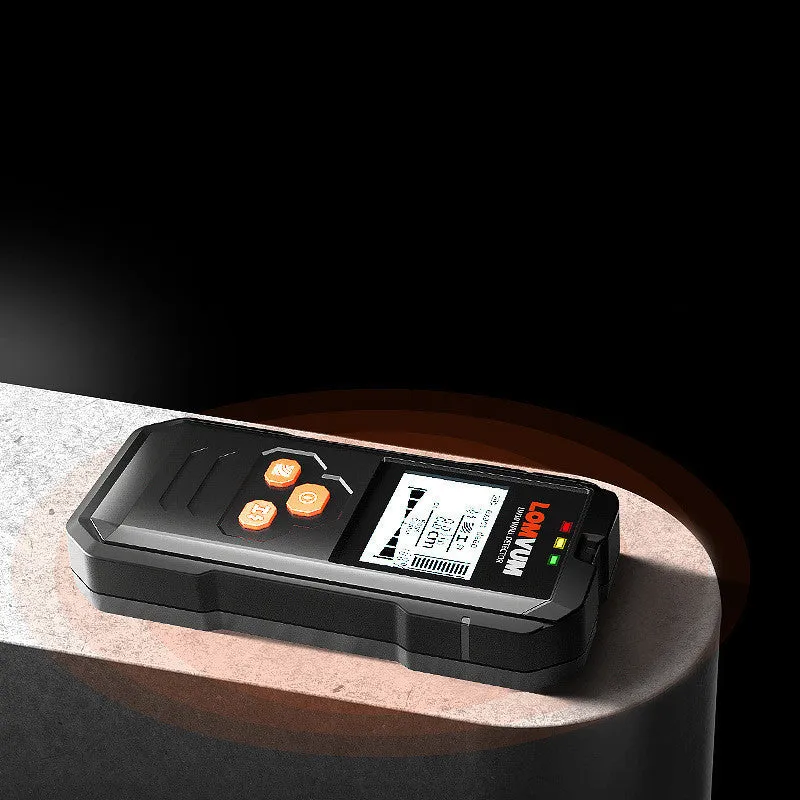
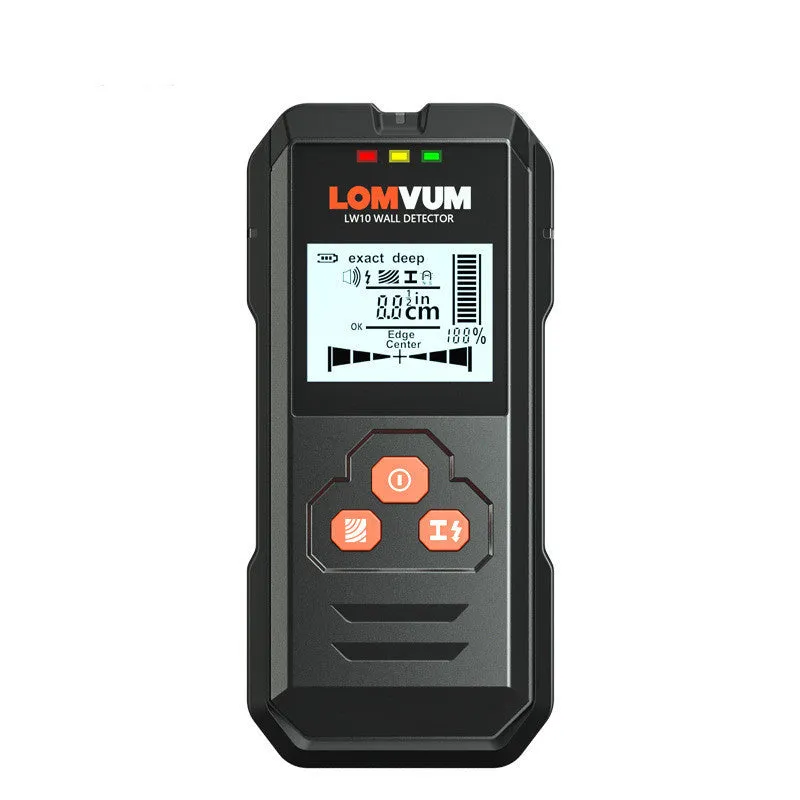
Multifunctional wall detector wire detector metal wood AC location tool with three operation modes A B C and precise depth readings up to 12cm for magnetic metal 10cm non-magnetic metal 5cm alternating current 3.8cm wood


Multifunctional wall detector wire detector metal wood AC location tool with three operation modes A B C and precise depth readings up to 12cm for magnetic metal 10cm non-magnetic metal 5cm alternating current 3.8cm wood
Multifunctional Wall Detector: Precise Tool for Locating Metal, Wood, and Live Wires Behind Walls
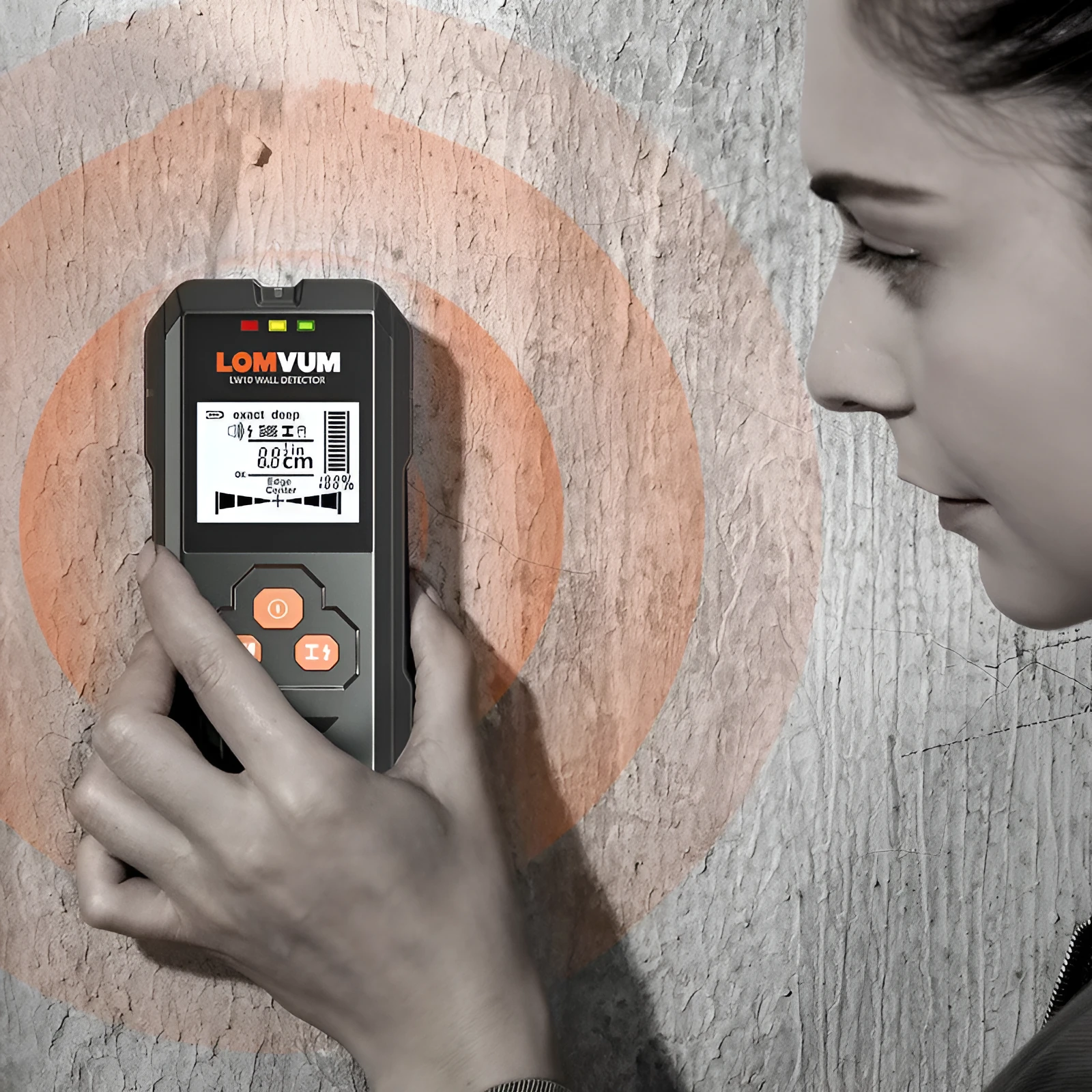
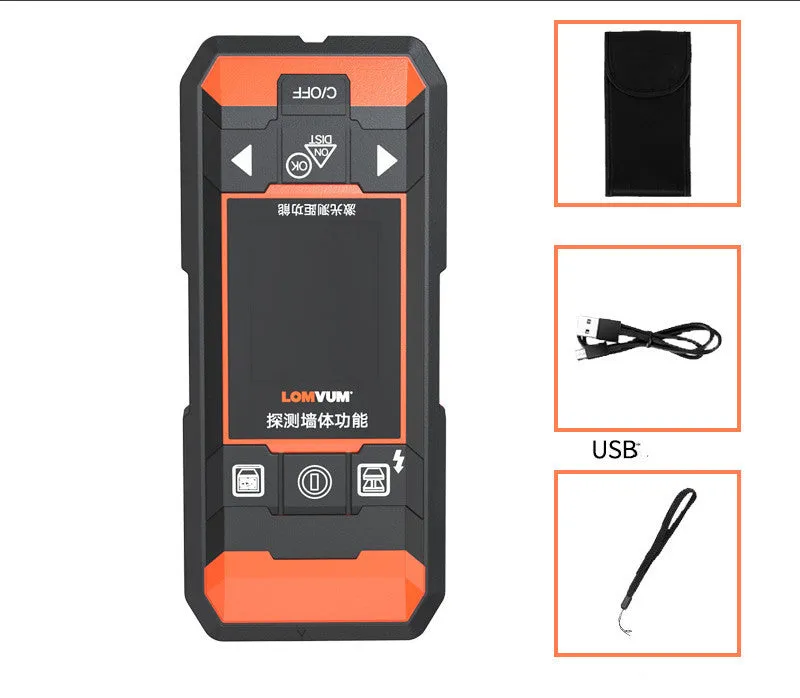
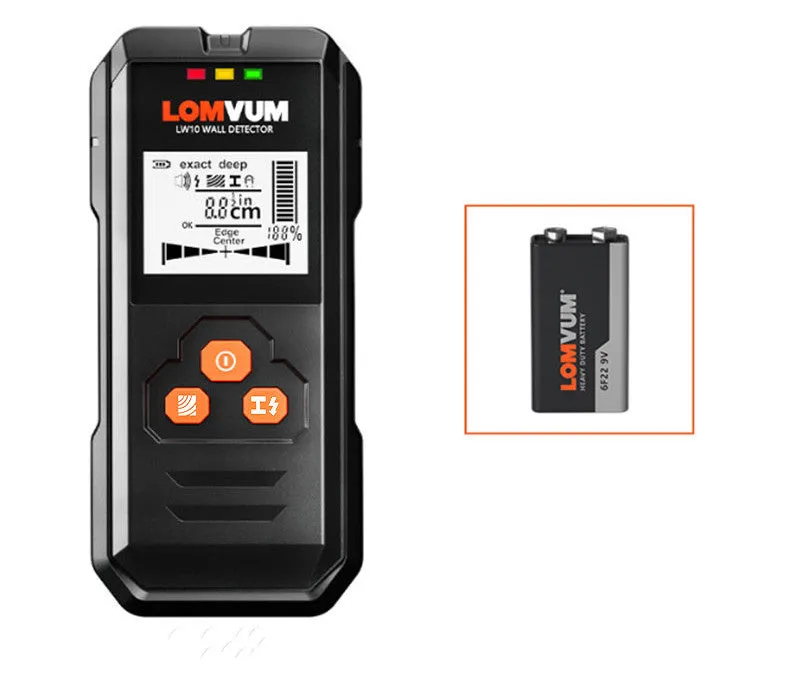
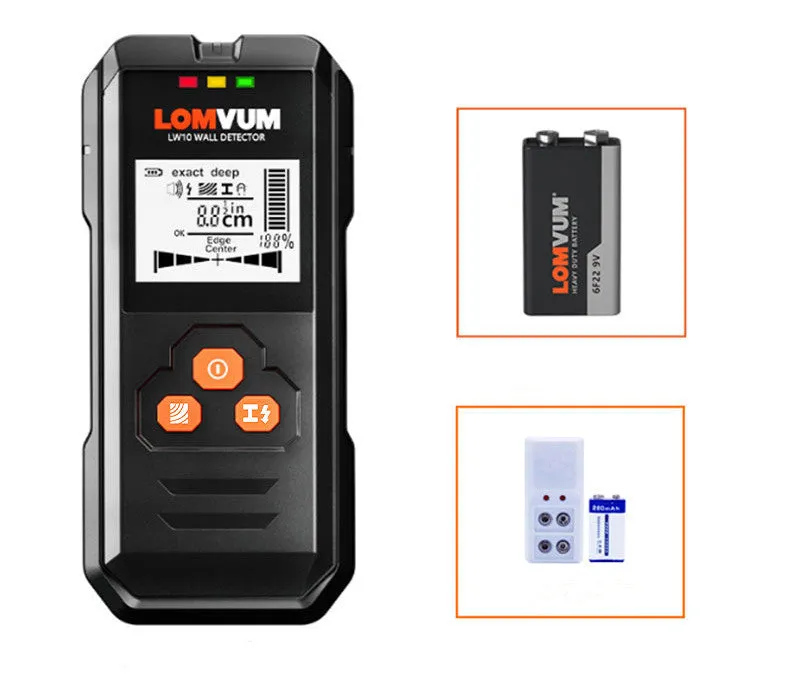
When planning DIY projects, renovations, or simple picture hanging, accidentally drilling into a hidden wire, pipe, or beam can lead to significant damage, safety hazards, and expensive repairs. This multifunctional wall detector is designed to provide a clear picture of what lies beneath your wall's surface. Available in three distinct operational configurations—Mode A (flagship with standard battery), Mode B (high-configuration with charging set), and Mode C (voice-type with ranging)—it helps you identify obstacles with specific depth measurements. By offering targeted detection for magnetic metals, non-magnetic metals like copper, live alternating current, and wooden blocks, it gives you the confidence to proceed with your work safely and efficiently, reducing guesswork and potential for error.
Features and Construction
This detector is built around core electronic sensing technology tailored for construction and DIY use. Its value lies in its ability to differentiate between common materials found in walls, providing not just detection but quantifiable depth data to inform your next steps.
Material and Build
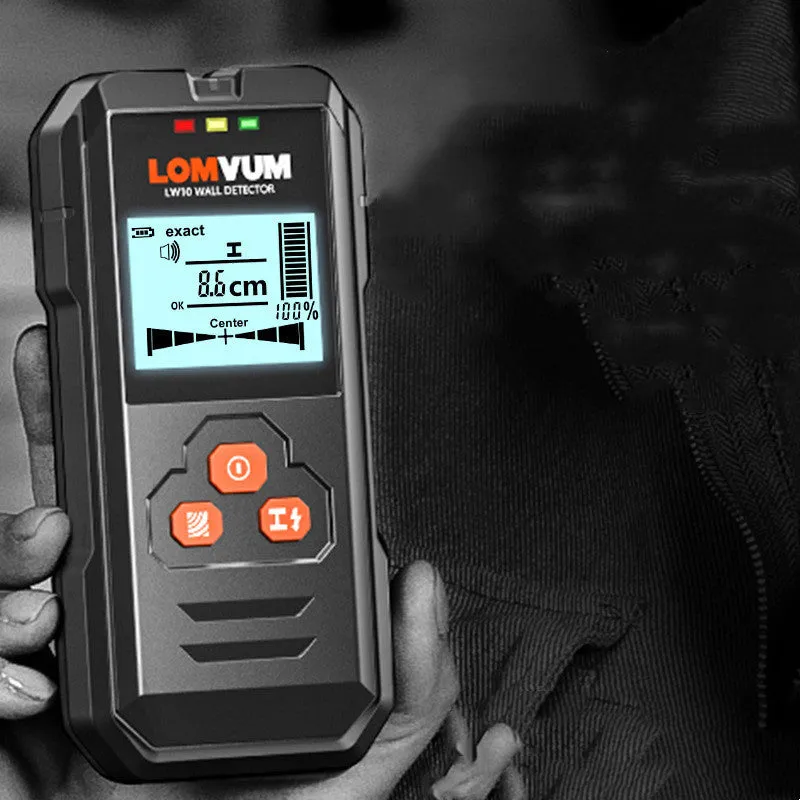
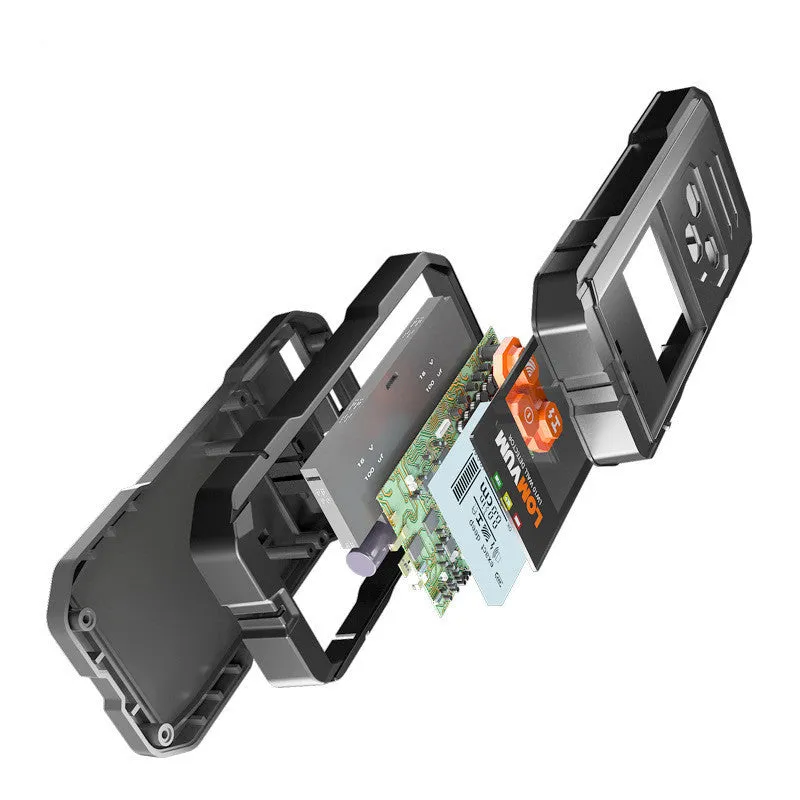
The detector is constructed from electronic components housed in a casing designed for handheld use. Its functionality is defined by its internal sensors calibrated to recognise the distinct electromagnetic or conductive signatures of different materials. The build focuses on delivering reliable readings rather than aesthetic features, prioritising the practical accuracy required for locating specific objects like copper wiring, steel studs, or wooden battens. The inclusion of a voice guidance feature in Mode C adds an auditory confirmation to the visual indicators, which can be particularly useful in noisy environments or for users who prefer hands-free operation.
Size and Practical Fit
While exact physical dimensions are not specified, the device is designed as a handheld tool for single-person operation. Its ergonomics are centred on allowing the user to scan walls smoothly and view the display or listen for audio feedback easily. The key practical measurement it provides is detection depth, not its own size. It reports maximum penetration capabilities of 12cm for magnetic metals, 10cm for non-magnetic metals, 5cm for live AC wires, and 3.8cm for wood. These metrics help you understand how deep within a standard plasterboard or masonry wall the device can reliably sense objects, which is crucial for planning safe drilling depths.
Uses and Placement
This tool's primary function is to survey wall cavities before making penetrations. Its applications span from professional trade work to common household tasks, making it a versatile addition to any toolkit where wall integrity and safety are concerns.
Event or Professional Use
For tradespeople such as electricians, plumbers, or carpenters, this detector aids in locating existing infrastructure before installing new fixtures, outlets, or pipes. The ability to distinguish between ferrous metal (like nails or steel beams) and non-ferrous metal (like copper pipes or wiring) with specific depth readings (100mm and 80mm respectively, as noted in one specification set) allows for precise planning. The detection of live alternating current at a depth of up to 5cm (or 40mm) is a critical safety feature for avoiding energised cables. On construction sites or during refurbishments, it serves as a preliminary check to verify that planned drill points are clear of hazards.
Everyday Home Use
For the DIY enthusiast or homeowner, this detector simplifies common tasks like mounting televisions, shelves, curtain rails, or artwork. It helps find the solid wooden studs behind plasterboard for secure anchoring, with the device capable of detecting wooden blocks at depths of 20mm in its precise mode or 38mm in its deep scanning mode. It also prevents accidents when drilling into walls that may contain old, unmarked wiring or plumbing. Before any drilling activity, a quick scan with the detector can provide peace of mind, ensuring that new installations are both secure and safe, avoiding damage to the home's electrical or plumbing systems.
Benefits and Buying Value
The value of this detector lies in its problem-solving capability and operational efficiency. It transforms a potentially risky task into a measured, informed process, potentially saving time, money, and effort on repairs or rework.
Reuse and Low Maintenance
This is a reusable tool designed for multiple projects over time. Maintenance is minimal and revolves around power management. The device incorporates an automatic shutdown feature that activates after five minutes of inactivity, preventing battery drain if left on accidentally. Depending on your chosen model, power is supplied either by a standard, widely available 9V battery offering around 6 hours of continuous use, or by a built-in 300mAh rechargeable lithium battery rated for approximately 5000 single measurement cycles. This design promotes long-term usability without the need for frequent, costly battery replacements or complex charging routines.
Why Choose This Product
This multifunctional detector stands out for its specificity and choice. Unlike simpler stud finders that may only detect wood or metal generally, this device provides differentiated readings for magnetic metal, non-magnetic metal, live AC current, and wood, each with stated maximum depth capabilities. The availability of three operational modes (A, B, C) allows you to select the configuration that best matches your needs, whether you prioritise basic functionality, a rechargeable high-configuration setup, or the added convenience of voice guidance and integrated laser ranging. This tailored approach means you invest in the exact feature set required for your typical projects, from basic home use to more demanding trade applications.