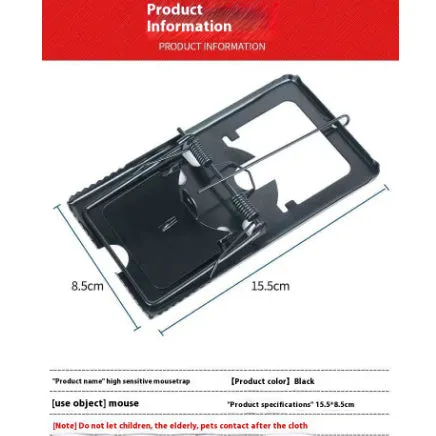
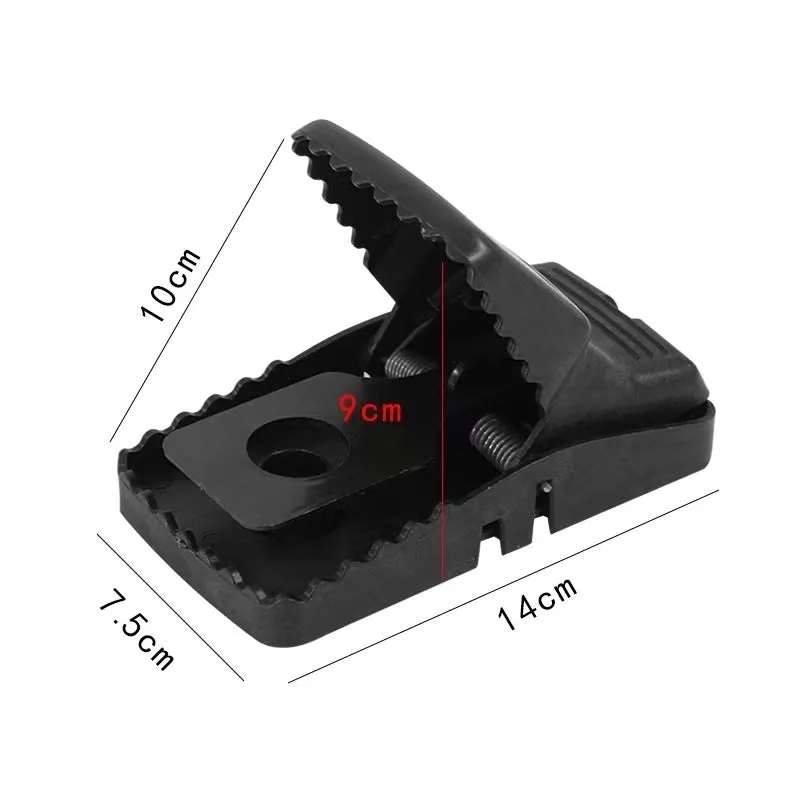
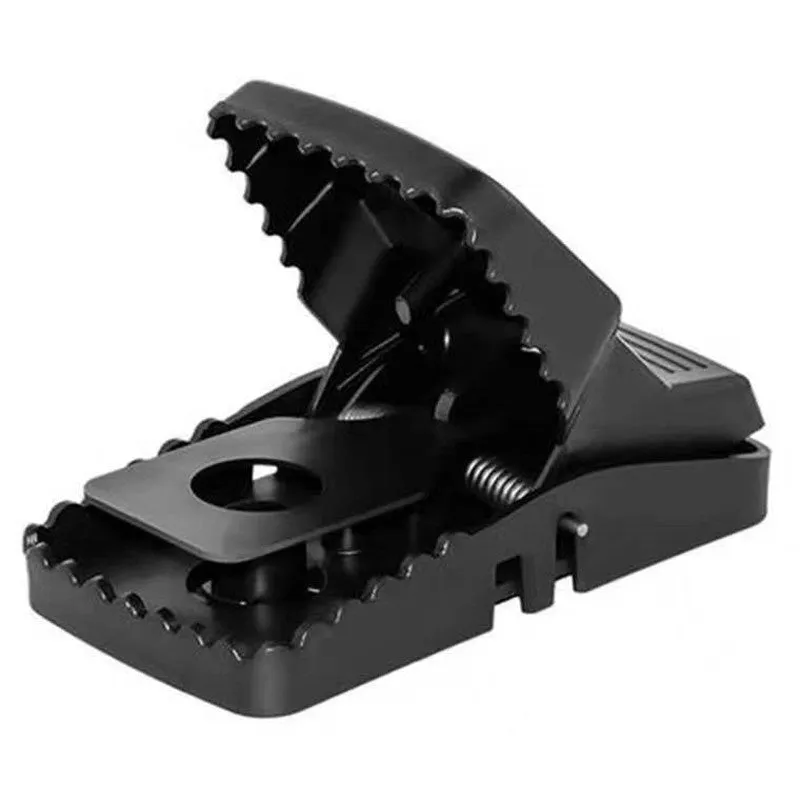
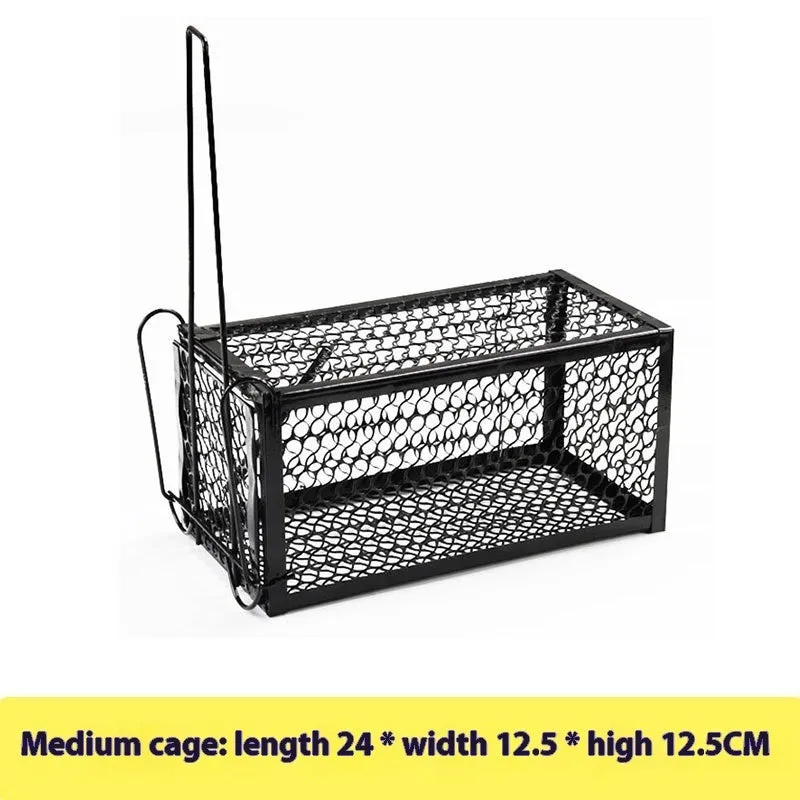
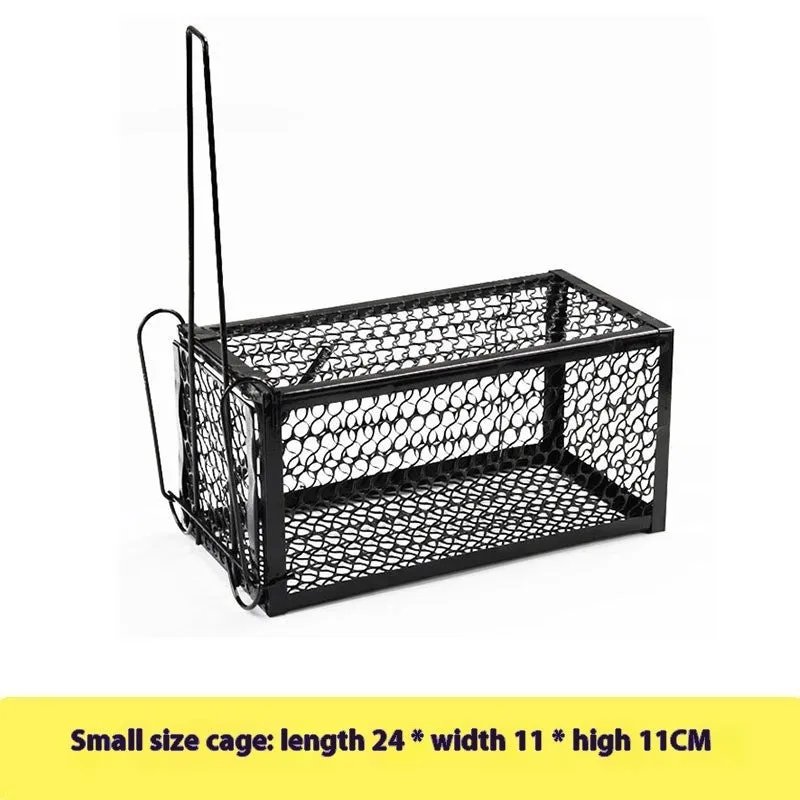
Mouse trap indoor home automatic mouse cage mousetrap available in multiple sizes and materials including iron clamp large medium small and plastic clip options


Mouse trap indoor home automatic mouse cage mousetrap available in multiple sizes and materials including iron clamp large medium small and plastic clip options
Automatic mouse cage trap with multiple size options for indoor rodent control

This automatic mouse cage trap offers a practical approach to residential and light commercial rodent management through its containment-focused design. Rather than immediate lethal mechanisms, the cage-style capture allows users to address rodent problems according to their specific preferences and local regulations. With availability in small, medium, and large configurations, the product can be matched to both the scale of infestation and target rodent species, while material options provide flexibility for different usage environments and durability considerations.
Features and Construction

The trap employs an automatic triggering mechanism that securely contains rodents within the cage structure upon activation. This design principle offers several practical advantages over traditional snap traps or poisons, particularly in settings where humane treatment or relocation is preferred.
Material and Build
Manufactured in both metal and plastic variants, the trap provides material options suited to different environments and user preferences. The iron clamp versions offer robust construction with metal components, while plastic clip alternatives provide lightweight and corrosion-resistant options. Both material types are engineered to maintain structural integrity through repeated use and cleaning cycles.
Size and Practical Fit
Available in small, medium, and large configurations, the sizing system allows users to match the trap to specific rodent problems. Smaller sizes target mice and juvenile rodents, while medium and large options accommodate adult rats and larger pest species. The dimensional variations ensure appropriate bait placement, entrance sizing, and containment space for effective capture across different scenarios.
Uses and Placement

The trap's design supports both immediate residential needs and ongoing preventative measures in various indoor environments. Its versatility makes it suitable for different room types, from kitchens and basements to storage areas and commercial premises where food safety and hygiene are priorities.
Event or Professional Use
For commercial settings, the multiple size availability allows facility managers to address varying rodent challenges across different building zones. The cage containment design proves particularly useful in food preparation areas, warehouses, and storage facilities where immediate lethal methods might create secondary contamination concerns or violate specific industry protocols.
Everyday Home Use
In residential applications, the trap provides a discreet solution that can be positioned along walls, near entry points, or in areas showing signs of rodent activity. The non-lethal containment approach offers peace of mind for households with children or pets, while the multiple size options ensure appropriate matching to both occasional visitors and established rodent populations.
Benefits and Buying Value

The product's core value lies in its adaptable approach to rodent management, combining practical containment with configuration flexibility. This addresses common limitations of single-purpose traps while offering material choices that suit different environmental conditions and user preferences.
Reuse and Low Maintenance
Both metal and plastic constructions support repeated use with appropriate cleaning between captures. The automatic mechanism resets after each use, and the robust construction maintains functionality across multiple deployment cycles. This reusability aspect provides ongoing value compared to single-use alternatives.
Why Choose This Product
The combination of size options, material choices, and containment-focused design provides a comprehensive solution for varied rodent control needs. Whether addressing isolated incidents or implementing ongoing preventative measures, the product's flexibility allows users to adapt their approach as circumstances change, while the cage mechanism offers control over disposal methods according to personal preference and local regulations.